

2026-07-30
For municipal lighting directors, civil infrastructure engineers, and EPC procurement leads, specifying the correct Correlated Color Temperature (CCT) for commercial road networks is no longer a simple cosmetic decision. Selecting the wrong CCT can trigger blinding glare for drivers, cause atmospheric light pollution, disrupt nocturnal ecosystems, and compromise public visual acuity.
Historically, traditional High-Pressure Sodium (HPS) fixtures bathed cities in a monochromatic, amber-yellow hue (around 1900K to 2100K) with a low Color Rendering Index (CRI < 30). Modern solid-state
However, higher color temperatures do not automatically equal superior visibility. This comprehensive technical guide analyzes the optical physics, safety standards, dark-sky compliance protocols, and application matrices required to select the optimal CCT for any outdoor roadway project.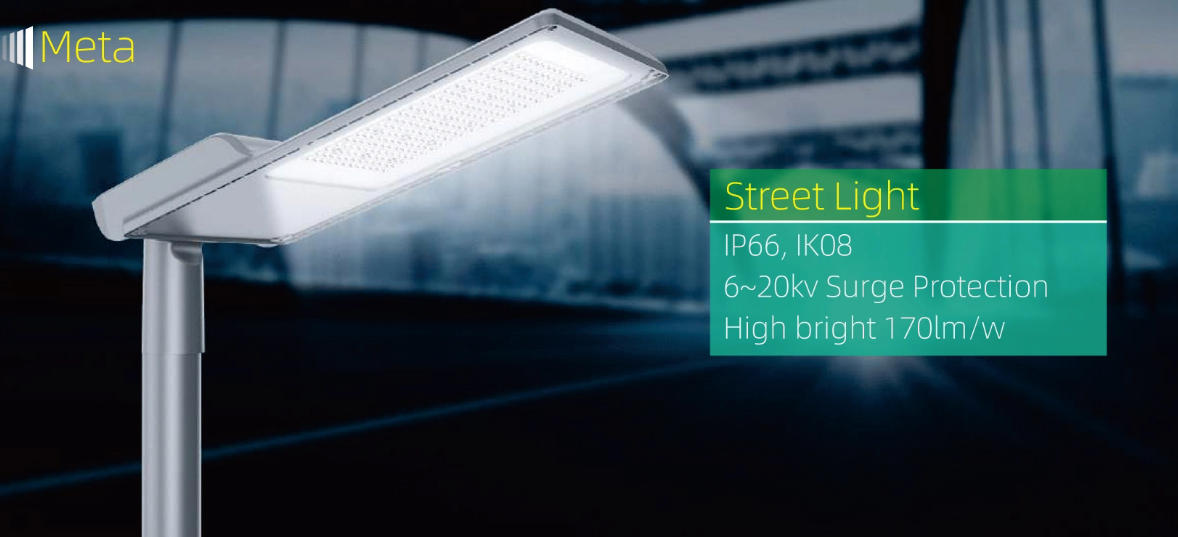
Answer: The best CCT for outdoor street lighting depends strictly on the application class:
3000K (Warm White): Best for residential streets, neighborhood access roads, historic centers, and dark-sky zones. It minimizes Rayleigh atmospheric scattering, reduces circadian disruption, and complies with modern environmental regulations while offering a high CRI (>= 70).
4000K (Neutral White): The industry standard for urban arterials, commercial thoroughfares, and high-speed highways. It optimizes driver visual fatigue management, maximizes pupil reaction time, and offers higher system luminous efficacy (lm/W).
2200K–2700K (Warm Amber): Mandatory for eco-sensitive zones, coastal areas, and astronomy reserves to prevent blue-light dispersion.
5000K (Cool White): Restricted to high-security logistics yards, crosswalks, and heavy industrial ports requiring maximum contrast.
To evaluate how color temperature impacts municipal road safety and optical performance, review this standardized CCT breakdown:
| CCT Rating | Light Color Appearance | Blue Light Wavelength Proportion | Target Application Zone | Human Visual Acuity & Contrast | Dark-Sky & Eco-Impact |
| 2200K - 2700K | Warm Amber / Soft Gold | Ultra-Low (< 8%) | Historic Districts, Nature Parks, Coastal Roads | Moderate contrast; highly comfortable for eyes | Superior; minimal Rayleigh scattering |
| 3000K | Warm Neutral White | Low (10% - 15%) | Residential Streets, Sidewalks, City Centers | Good balance of visual comfort and detail recognition | High; dark-sky compliant when shielded |
| 4000K | Crisp Neutral White | Moderate (20% - 25%) | Highways, Main Arterials, Commercial Roads | Optimal driver alertness and peripheral visibility | Moderate; requires precise optical cutoff |
| 5000K - 5700K | Cool Daylight White | High (> 30%) | Ports, Freight Yards, Security Crosswalks | High contrast; potential for high glare and eye fatigue | Poor; high atmospheric scattering risk |
         Rayleigh Atmospheric Scattering Spectrum

  [High Blue Content (5000K)] ───► High Dispersion ───► Sky Glow & Glare
  [Low Blue Content (3000K)]  ───► Direct Path     ───► Clean Asphalt Lux
Understanding why CCT matters requires looking at human ocular mechanics and atmospheric optical physics:
Human eyes transition between daytime vision (Photopic) and nighttime vision (Mesopic/Scotopic). Under mesopic outdoor conditions (0.01 to 3 cd/m2), the human eye shifts sensitivity toward blue-green wavelengths (the Purkinje effect).
Higher CCT (4000K): Activates the eye's rod cells faster, improving peripheral motion detection and reducing driver reaction times at highway speeds.
Lower CCT (3000K): Reduces visual fatigue during long residential transit while preserving peripheral object detection when paired with modern high-CRI optics.
Shorter blue wavelengths (400nm to 480nm) scatter significantly more when hitting air molecules and water vapor than longer yellow/red wavelengths. This physics phenomenon—known as Rayleigh Scattering—is the primary cause of urban light pollution (Sky Glow). A 5000K luminaire scatters up to 2.5 times more light into the night sky than a 3000K luminaire delivering the exact same lumen output.
In quiet neighborhood settings, street lights sit close to bedroom windows and sidewalks. Utilizing 4000K or 5000K luminaires in these zones leads to residential complaints regarding sleep disruption caused by blue-light suppression of human melatonin.
Why 3000K Wins: A 3000K LED fixture balances a warm, welcoming environment with crisp color rendering (CRI >= 70). It allows drivers to easily identify pedestrians, pets, and road obstacles while preventing light trespass into neighboring homes.
Dark-Sky Standards: Paired with zero-uplight (U0) housings, 3000K street lights meet strict international Dark-Sky guidelines.
For busy
The 4000K Standard: Many major European and North American cities specify 4000K for multi-lane commercial streets. The neutral white light enhances spatial awareness, makes road markings pop, and improves camera surveillance clarity.
Real-World Proof: In our high-profile Kosovë Prishtinë Street Light Case
For long-distance
Why 4000K Is Unmatched: High-speed travel demands rapid visual processing. 4000K white light provides high contrast against black asphalt, illuminating debris and lane markers from greater distances. Furthermore, 4000K LED chips deliver slightly higher system efficacy (lumens per watt) than 3000K chips, helping cut municipal energy consumption on multi-kilometer highway grids.
Near wildlife sanctuaries, sea turtle nesting beaches, or astronomical observatories, blue light must be eliminated entirely. High blue content disrupts sea turtle hatchling navigation and insect populations. Here, specialized 2200K PC-Amber or 2700K ultra-warm LEDs are required to protect local ecosystems while providing essential path illumination.
Before issuing tenders or purchasing hardware from an outdoor industrial lighting manufacturer, run your project parameters through this quality checklist:
Check Local Dark-Sky Ordinances: Does your municipality limit maximum CCT to 3000K or mandate a zero-uplight BUG rating?
Evaluate Camera Networks: Do traffic management cameras require high CRI (>= 70 or >= 80) and neutral 4000K light for accurate license plate recognition?
Verify Luminous Efficacy Impact: Ensure the manufacturer provides verified LM-79 reports. While 4000K was historically 5% more efficient than 3000K, modern high-grade LEDs have narrowed this gap to less than 2%.
Demand Precision Optics: Ensure CCT selection is paired with asymmetric Type II or Type III lenses to prevent direct line-of-sight glare regardless of color temperature.

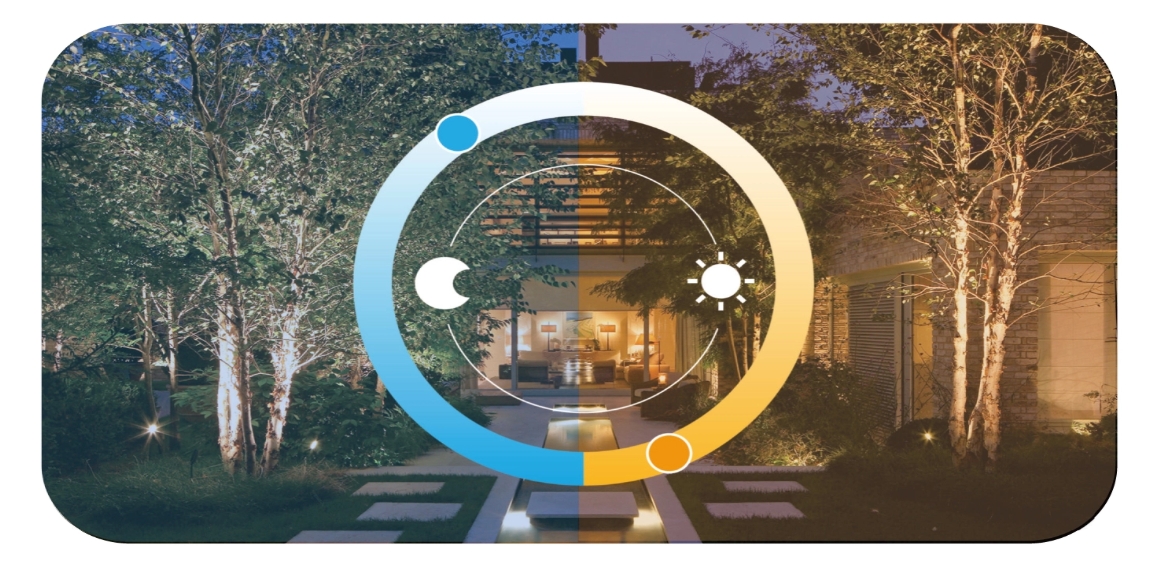
Yes, in many residential settings, 4000K can feel harsh, sterile, and overly clinical to residents. It also contains higher blue-light ratios that can disturb sleep cycles if light leaks through bedroom windows. 3000K is widely considered the optimal standard for residential areas.
First-generation LED street lights (installed between 2008 and 2015) relied heavily on 5000K and 6500K chips because early LED manufacturing achieved much higher energy efficiency at blue-heavy spectrums. Modern LED manufacturing now produces 3000K and 4000K luminaires with exceptional efficacy (up to 170 lm/W), making harsh 6000K street lights obsolete.
Marginally, but the difference is virtually negligible in modern fixtures. In early solid-state lighting, 4000K was up to 10% more efficient than 3000K. Thanks to advances in phosphor technology, modern high-grade 3000K LEDs perform within 1% to 3% of 4000K fixtures, allowing cities to choose warmer, eye-friendly light without energy penalties.
Selecting the ideal color temperature (CCT) for outdoor street lighting requires aligning environmental codes, driver safety metrics, and system efficiency. Whether your master plan calls for dark-sky compliant 3000K neighborhood lighting or high-visibility 4000K highway systems, Unicornlite delivers certified, heavy-duty industrial luminaires tailored to your exact project parameters.
Cast from premium die-cast aluminum alloys and armed with advanced Type II and Type III asymmetric optics, our fixtures deliver up to 170 lm/W, IP66/IK09 ratings, integrated 10kV/20kV surge protection, and smart 7-pin NEMA receptacles.


