Discover how long solar lights last on average, their efficiency, and how proper care can ensure years of eco-friendly performance. Tips to optimize included!
Solar lights have gained popularity as a sustainable and cost-effective solution for outdoor lighting. They harness solar energy to illuminate pathways, gardens, and public spaces, providing an eco-friendly alternative to traditional electric lighting. However, a common question arises: how long do solar lights last? Understanding the lifespan of solar lights is essential for consumers and facility managers alike, as it directly impacts maintenance schedules, replacement planning, and overall cost-effectiveness. This article explores the factors influencing the longevity of solar lights, typical lifespan expectations, and best practices for maximizing their durability.
Factors Affecting the Lifespan of Solar Lights
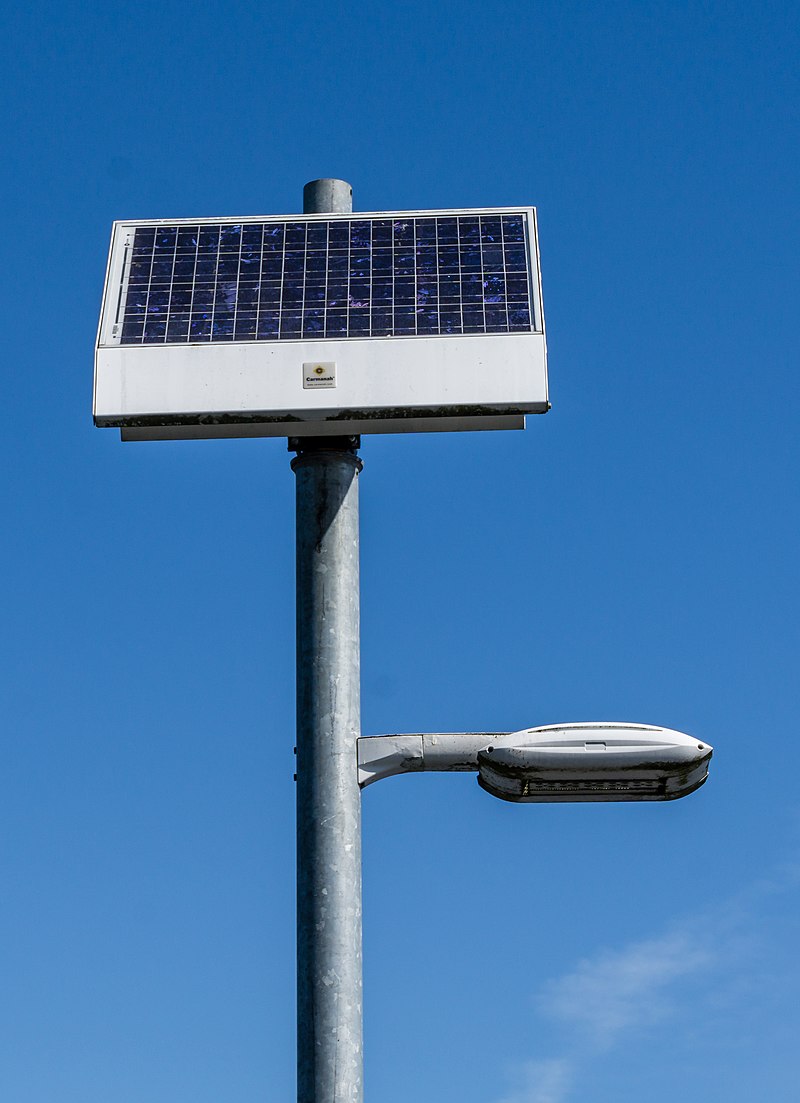
- Quality of Components
The longevity of solar lights is heavily dependent on the quality of their components. High-quality solar lights are typically constructed with durable materials such as aluminum or high-grade plastics that can withstand harsh environmental conditions. For instance, premium LED bulbs can last up to 50,000 hours, while lower-quality alternatives may fail much sooner. Additionally, the effectiveness of solar panels plays a critical role; monocrystalline panels are generally more efficient and durable than their polycrystalline counterparts.
- Battery Types and Maintenance
Batteries are crucial for storing solar energy generated during the day for use at night. The type of battery significantly influences the lifespan of solar lights. Common options include Nickel Cadmium (NiCd) and Nickel Metal Hydride (NiMH) batteries. NiMH batteries typically outperform NiCd batteries in terms of longevity and efficiency. To ensure optimal performance, regular maintenance is essential; this includes checking battery health and replacing them every 2 to 4 years depending on usage and environmental conditions.
- Solar Panel Efficiency
Solar panels convert sunlight into electrical energy, powering the lights during nighttime hours. The efficiency of these panels can vary based on their construction quality and exposure to sunlight. High-efficiency panels are designed to capture more sunlight and convert it into usable energy, which directly impacts the performance and lifespan of the lighting system. Furthermore, positioning solar panels in areas with maximum sun exposure is crucial for optimal charging.
- Environmental Conditions
The operating environment plays a significant role in determining the lifespan of solar lights. Factors such as extreme temperatures, humidity, dust accumulation, and corrosive atmospheres can adversely affect performance. For example, solar lights installed in coastal areas may experience faster degradation due to salt exposure unless adequately protected with weather-resistant coatings.
On average, solar lights can last between 2 to 5 years, but this range can vary significantly based on component quality and maintenance practices:
- LEDs: High-quality LED bulbs can provide illumination for up to 50,000 hours, translating to about 11 years if used for approximately 12 hours each night.
- Batteries: The lifespan of batteries typically ranges from 3 to 4 years, after which they may require replacement.
- Solar Panels: High-quality solar panels can last anywhere from 10 to 25 years, depending on their material quality and environmental exposure.
Tips for Extending the Life of Solar Lights
- Regular Maintenance Practices
Regular maintenance is vital for maximizing the lifespan of solar lights. Keep solar panels clean by removing dirt, debris, or snow that may block sunlight absorption. Periodically inspect all components for wear and tear to address any issues before they lead to failure.
- Optimal Placement Strategies
Positioning solar lights in areas that receive direct sunlight for most of the day will enhance their performance significantly. Avoid placing them in shaded spots caused by trees or buildings to ensure they charge effectively.
- Use Timers or Motion Sensors
Implementing timers or motion sensors can help reduce battery strain by ensuring that lights operate only when needed. This not only conserves battery life but also extends the overall lifespan of the fixtures.
- Invest in Quality Products
While high-quality solar lights may require a larger initial investment, they often provide better performance and longer lifespans compared to cheaper alternatives. Look for products from reputable manufacturers that offer warranties reflecting their durability.
Conclusion
In conclusion, while solar lights offer a sustainable lighting solution with varying lifespans influenced by several factors—including component quality, battery maintenance, environmental conditions, and placement—consumers can expect an average lifespan between 2 to 5 years for most models. By following best practices for installation and upkeep, users can maximize the longevity of their solar lighting systems, ensuring reliable performance for years to come.


